
Radiologic Technology
Train for a hands-on career in diagnostic imaging.
Take 100% of your coursework online in live evening classes and virtual labs, then build real skills in supervised clinical rotations. When you graduate, you’re eligible to sit for the ARRT(R) national certification exam.
Tuition does not include clinical requirements or travel costs.
Request Information to Get Started
Next Term Starts October 11! Limited spots are available.
One degree, built to get you into imaging.
A single path from anatomy and radiation safety to clinical practice and certification exam prep.
Associate of Science in Radiologic Technology
$38,640 total, all-inclusive
Courses cover anatomy and physiology, patient care, radiation physics, radiation safety, image production and analysis, and radiographic positioning. You’ll finish with externships and an ARRT(R) exam review.
Leads to: Entry-level radiologic technologist (radiographer) roles
Why Radiologic Technology at American National University
Online coursework and real clinical experience, in one degree.
100% online coursework, live instructors
Classes meet by live video, mostly at night, with self-paced coursework in between.
Virtual reality labs
Practice positioning and imaging procedures in VR before you work with patients.
Real clinical experience
Rotate through hospitals, clinics, and imaging centers under the supervision of experienced radiologic technologists.
All-inclusive tuition
$38,640 covers application, course, technology, and graduation fees, plus textbooks and lab equipment. Clinical requirement and travel costs are extra.
Certification exam prep built in
A dedicated review course prepares you for the ARRT(R) radiography certification exam.
An advisor who knows your name
One point of contact from enrollment through graduation — not a rotating call queue.
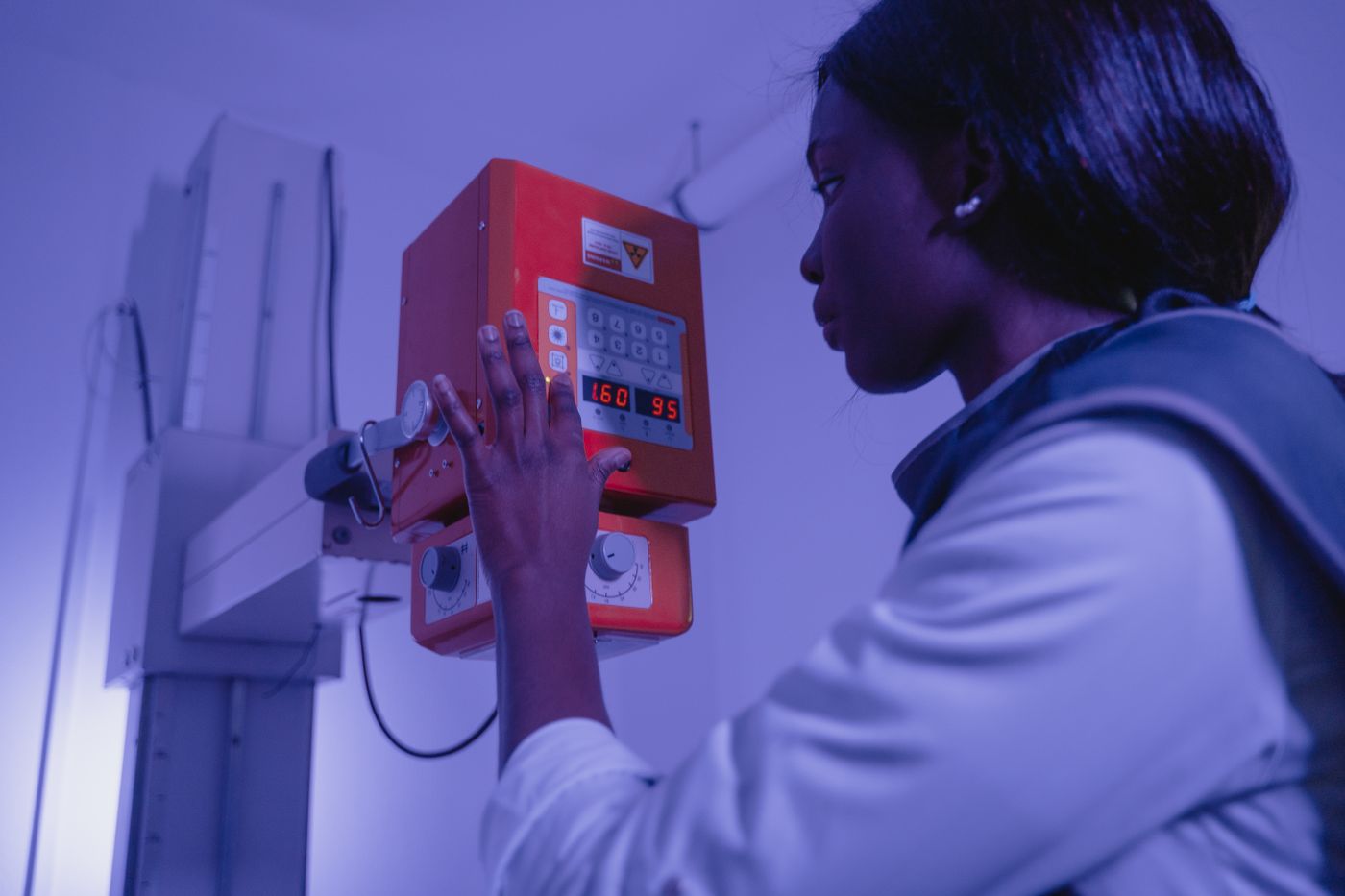
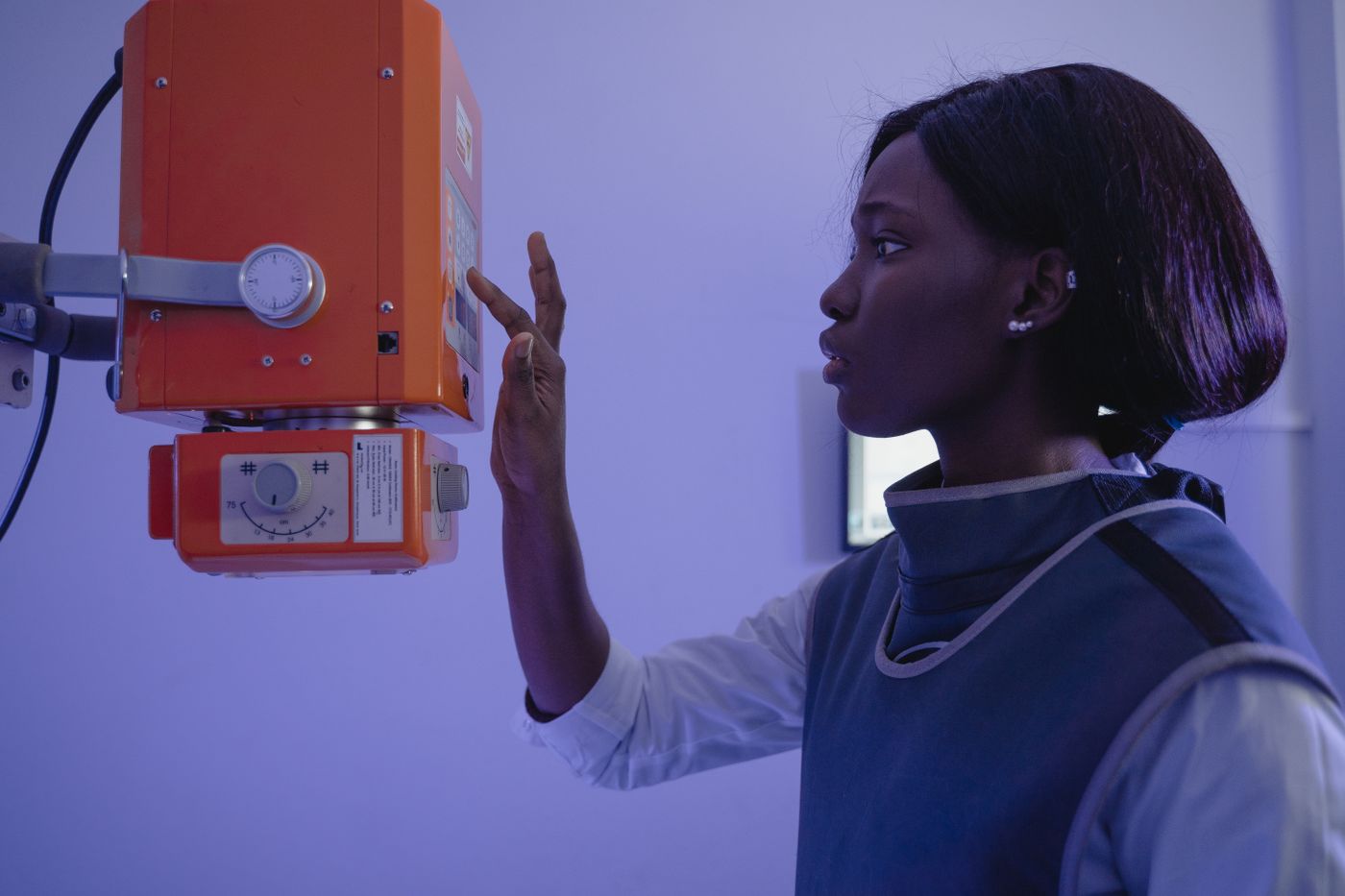
How it works
Online learning first, then hands-on clinical training.
Learn online
Take live evening classes and self-paced coursework in anatomy, radiation physics, safety, and radiographic positioning.
Practice in virtual labs
Build procedure skills with virtual reality technology. If you wear glasses, you may need contact lenses or a lens adapter.
Train in clinical rotations
Complete in-person rotations in 8–12 hour shifts, 3–5 days a week. Students in Kentucky and Southwest Virginia train in Pikeville, KY. Students in other eligible states secure a site with the program director before admission.
Sit for your ARRT(R) exam
Finish with a certification exam review course. After you graduate, you’re eligible to sit for the ARRT(R) radiography certification exam.
Where this program leads
Radiologic technologists are in steady demand. The Bureau of Labor Statistics projects employment of radiologic technologists will grow faster than average.
Radiologic Technologist
via the Radiologic Technology associate degree 5% projected employment growth, 2025–2035 Source: U.S. Bureau of Labor Statistics, Occupational Outlook Handbook, reviewed September 23, 2026Getting started
Start dates, admissions, and paying for it.
Start dates
New terms begin multiple times a year — American National University runs roughly five main terms annually, plus mid-session start options, so you’re rarely far from your next start date.
Admissions requirements
Admission is limited and competitive. Submit all high school/GED and college transcripts showing a minimum 2.5 GPA (3.0 or higher preferred, on a 4.0 scale); eligible applicants are ranked by cumulative GPA. You’ll also affirm in writing that you can meet the program’s physical requirements, including lifting at least 50 pounds. Residents of Arizona, California, Connecticut, Hawaii, Louisiana, Massachusetts, New Jersey, New Mexico, New York, Tennessee, Washington state, and Washington, D.C. are not eligible.
Financial aid
Federal aid (FAFSA-based grants, loans, and work-study) is available to those who qualify and can be combined with American National University’s own institutional grants and scholarships, including options for military families and employer tuition assistance.
Clinical requirements
Before your externship, you’ll need a clear background check and drug screen, American Heart Association Basic Life Support (CPR) certification, and proof of required immunizations. Some sites also require personal health insurance. A failed drug screen or criminal conviction may affect externship placement or employment in the field. These costs are the student’s responsibility.
Frequently asked questions
Is this program fully online?
No. Coursework is 100% online, including virtual labs, but clinical rotations are in person.
Who is eligible to apply?
Admission is limited and competitive, with a minimum 2.5 GPA required. Residents of Arizona, California, Connecticut, Hawaii, Louisiana, Massachusetts, New Jersey, New Mexico, New York, Tennessee, Washington state, and Washington, D.C. are not eligible for this program.
Where will I do my clinicals?
Students in Kentucky and Southwest Virginia complete their externship in Pikeville, KY. Students in other eligible states work with the program director to secure a site before admission. If a local site can’t be secured, you’ll travel to an assigned site, which may be outside your usual commute. Transportation and lodging are the student’s responsibility.
Can I keep working while I’m in school?
This is a full-time program, and clinical rotations run 8–12 hour shifts, 3–5 days a week. Talk with an advisor about how the schedule fits your life.
What certification does this prepare me for?
Graduates are eligible to sit for the national certification exam offered by the American Registry of Radiologic Technologists, ARRT(R). Certification is required for employment at most healthcare facilities.
What does tuition include?
Tuition of $38,640 includes all fees (application, course, technology, graduation), textbooks, and lab equipment. Tuition does not include clinical requirements (background check, drug screen, immunizations, CPR certification, health insurance) or travel and lodging for clinicals.
How long does it take to finish?
The program is 92 credit hours and takes 18 months to complete.
Accreditation you can check yourself
ABHES-accredited campus
The Radiologic Technology program is offered through American National University’s Pikeville, Kentucky campus, accredited by the Accrediting Bureau of Health Education Schools (ABHES).
ARRT(R) exam eligible
Graduates are eligible to sit for the national certification exam offered by the American Registry of Radiologic Technologists.
State requirements
Licensure requirements vary by state. Review your state’s requirements with the ASRT and confirm with admissions before enrolling.
Ready to start your imaging career?
Talk to an advisor about clinicals, cost, and your start date — no pressure, no obligation.
Request Information